

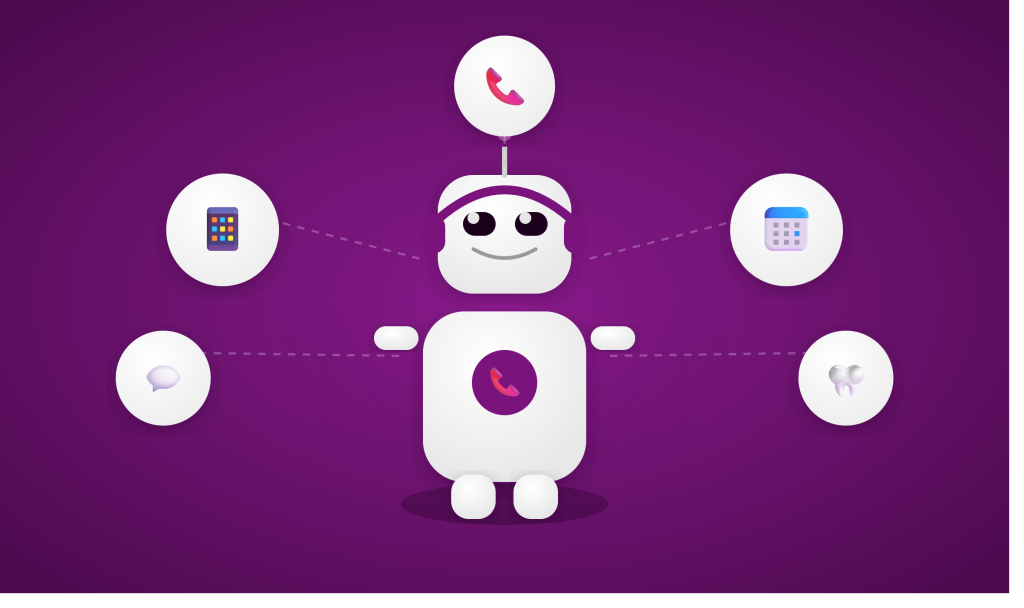

Here’s something most dental practices don’t want to admit: their marketing is probably working better than their phones.
They’re getting Google traffic. The ads are running. Patients are finding the website, reading the reviews, deciding this looks like the right place, and then calling. And sometimes, nobody picks up.
That’s where a dental office answering service comes in. Not as a luxury add-on, but as a basic fix for a leak in the patient pipeline that most practices don’t even realize they have.
The Missed Call Problem Is Bigger Than It Looks
Think about what a phone call actually represents in a dental practice context.
Someone didn’t just stumble onto the number. They searched, they clicked, they read something, and they decided to reach out. That’s a warm lead by any definition. And when that call goes unanswered, the practice loses it, usually without ever knowing it happened.
The front desk isn’t slacking. They’re checking someone in, verifying insurance, handling a patient who’s standing right in front of them. A ringing phone in that moment is genuinely hard to prioritize. But from the caller’s perspective, an unanswered phone just means no one’s available to help them.
After-hours calls make this worse. A patient with a cracked tooth at 7 p.m. isn’t going to leave a voicemail and hope someone calls back by lunch tomorrow. They’re going to call the next office on the list. If that office answers, even through an automated service, they win the patient.
This is exactly why a missed calls dental office solution isn’t just a phone problem. It’s a patient acquisition problem.
What Actually Happens When a New Patient Doesn’t Reach Anyone
Walk through the math on this.
A practice spends money on SEO, Google Ads, maybe a little on social. Someone clicks an ad, lands on the website, reads through the services page, feels good about what they see, and calls. Four rings. Voicemail.
Maybe they leave a message. Maybe they don’t. Either way, a staff member has to notice the missed call, figure out the context, call back, and pick up where the conversation never started. If that happens two hours later, the patient has often already booked somewhere else.
This is what dental missed call recovery is about: not just tracking voicemails, but building a real process around every call that doesn’t get answered in the moment. Voicemails sitting in an inbox aren’t a system. They’re a pile of missed opportunities.
Getting Leads Is Only Half the Job
A lot of dental practices focus their energy on generating inquiries and not nearly enough on what happens to those inquiries once they arrive.
The real patient acquisition path looks like this:
Lead generation → Lead capture → Lead qualification → Follow-up → Scheduling → Conversion
Most marketing attention goes to the first step. The rest gets handled by whoever’s available, whenever they get around to it.
That’s a problem because new patient call conversion in dental practices doesn’t happen automatically. Someone has to answer the call, understand what the patient needs, collect their information, and actually book an appointment. If any of those steps get dropped, the marketing investment that generated the call doesn’t pay off.
An answering service addresses that gap. Not by replacing the front desk, but by making sure the steps still happen even when the front desk is slammed, or the office is closed.
What a Dental Office Answering Service Actually Does
There’s no single standard for what these services include, so it’s worth being specific.
Depending on the provider and how it’s set up, a dental answering service can:
- Answer calls during busy periods when the front desk can’t get to the phone
- Collect basic information from new patients: name, contact details, reason for calling
- Answer routine questions about hours, location, services, and appointment types using information the practice provides in advance
- Capture appointment requests and pass them to the team for follow-up
- Route urgent calls according to whatever protocol the practice has established
- Handle after-hours calls instead of sending them straight to voicemail
- Support follow-up for callers who couldn’t be helped immediately
The key phrase in all of that is “depending on the provider.” Some services do all of the above. Others just take messages. Practices need to ask specific questions before assuming a feature is included.
What the best setups have in common is consistency. There’s a defined answer to “what happens when the front desk can’t pick up?” and it doesn’t involve hoping the caller tries again.
The Core Functions Worth Understanding
Answering incoming calls. This is the baseline. Someone or something picks up instead of voicemail. That alone changes the experience for a caller who’s ready to talk.
Capturing new-patient information. Name, phone number, what they’re calling about, whether they’re new or existing. That’s usually enough for the dental team to follow up with real context.
Handling routine questions. A lot of calls are just people asking when the office opens, whether they take a specific insurance, or what to expect for a first visit. A properly configured service can answer those without pulling staff away from anything else.
Supporting appointment scheduling. Some services can actually book appointments inside the practice’s scheduling software. Others take the request and hand it off. Which one matters to the practice depends entirely on how they manage their schedule and whether the provider can integrate with it.
Emergency and urgent call routing. This one requires a clear, practice-defined protocol. The American Dental Association recommends that practices have a formal emergency communication plan in place, including after-hours procedures. An answering service should follow that plan exactly; its job is routing, not clinical judgment.
How Virtual Receptionists Help Busy Dental Offices
A virtual receptionist isn’t physically in the office, but for the caller, the experience can feel close to it.
For smaller practices especially, this matters. One front-desk person handling check-ins, insurance calls, scheduling, and phones simultaneously is a setup for things to fall through. A virtual receptionist picks up the overflow of new patient inquiries, appointment requests, and routine questions without adding another full-time employee to the payroll.
The “never miss a call” dental receptionist concept is really just about coverage. Making sure there’s always a defined next step when a call comes in, regardless of what’s happening inside the office at that moment.
What that looks like in practice varies. But the goal is the same: fewer calls disappearing into voicemail, more callers getting an actual response.
A Practical Process for Turning Missed Calls Into Appointments
When a call does get missed, dental call follow-up needs to move fast and have a clear structure. Here’s a nine-step process that works:
- Log the missed call immediately. Phone number, time, any available context. The longer it sits unlogged, the more likely it gets forgotten.
- Call back as soon as possible. Not tomorrow. Not after lunch. The caller is most likely to still be available and still be interested in the next hour or two.
- Ask why they called before assuming. Don’t lead with scheduling. Find out what they actually needed. Some callers want an appointment. Others have a question or need to speak with someone specific.
- Collect what’s needed and nothing more. For a new patient, basic contact information and the reason for calling are enough to start. Keep the conversation focused.
- Identify new vs. existing patient. This changes the routing. A new patient needs an intake path. An existing patient may need something completely different.
- Answer routine questions cleanly. If the caller has questions the practice has approved for phone handling, answer them clearly. Anything requiring clinical expertise gets escalated to the right person.
- Offer real appointment options. If they’re ready to book, give them actual times based on actual availability. Vague suggestions to “call back next week” lose patients.
- Confirm everything before hanging up. Date, time, any prep instructions. Leave no ambiguity about what happens next.
- Create a follow-up for anyone who doesn’t book. Not every caller is ready to schedule in the first conversation. A good dental missed call recovery process keeps those people in the pipeline rather than letting them disappear.
Why Speed Matters More Than Practices Realize
When someone calls a dental office, they’re usually in an active moment of decision-making. They’ve already decided they need a dentist. They’re comparing a few options. They’re making calls.
A same-day callback from a competitor can change everything. The patient isn’t gone because they dislike the practice; they’re gone because someone else responded faster.
The CDC has noted that dental problems contribute to millions of lost school and work hours every year from unplanned and emergency visits. Many of the people calling a dental office aren’t casually browsing. They have a reason. They’re ready to act. A slow response gives that window time to close.
Consistent dental call follow-up is how a practice stops relying on callers being patient enough to try again.
What to Look for in a Dental Answering Service (Especially for Smaller Practices)
There’s no universal answer to which service is “best.” A solo-dentist practice with one front-desk person has different needs than a multi-location group.
Before comparing providers, figure out what actually matters for the specific practice:
- What hours need coverage? Just after-hours, or during busy daytime periods too?
- Does the service need to schedule appointments directly, or is capturing the request enough?
- Can it integrate with the scheduling system already in use?
- How should urgent calls be handled, and can the provider follow that protocol?
- What information needs to be collected from new patients?
- How does the provider handle calls it can’t resolve on its own?
- Is there reporting so the team can see what calls came in and what happened with them?
The answers narrow the field quickly. A feature list is only useful if the features match the practice’s actual workflow.
Questions to Ask Before Signing Up
Before committing to any provider, test them against real scenarios the front desk handles every day.
“I found you online. Do you take new patients, and can I schedule a cleaning?” How is that handled? Does it go straight to scheduling, or does the service just take a message?
“I need to move my 2 p.m. appointment on Thursday.” Can the service handle rescheduling? Or does every change require a callback from staff?
“What are your hours on Saturday?” Can it answer a basic question without escalating to a human?
“I have bad tooth pain and don’t know what to do.” Does the service follow the practice’s emergency protocol, or does it improvise?
The answers reveal whether the provider is actually built for dental offices or just claims to be.
Where ItsBot Fits Into This
The gap ItsBot’s dental answering solution is designed to close is the space between a patient calling and the practice having a real opportunity to help them.
That means going beyond just answering the phone. It means understanding why the patient called, handling what can be handled, routing what can’t, and making sure the dental team has what they need to follow up effectively.
Clinical decisions stay with the dental team. The administrative and communication layer is where the technology does its work.
Practices evaluating options can compare ItsBot’s dental-specific setup alongside other providers to see what actually fits their call volume, schedule, and workflow.
Frequently Asked Questions
What are the core services provided by a dental answering service?
Most services cover incoming call answering, new-patient information capture, basic question handling, message-taking, call routing, and after-hours coverage. Some also offer direct appointment scheduling. The specific capabilities vary significantly by provider, so always confirm what’s actually included before signing up.
How do you choose a dental answering service for emergency calls?
Look for a provider that will follow your practice’s emergency protocol exactly as you define it. Ask how urgent calls get identified, who gets notified, and what the after-hours escalation path looks like. The ADA recommends practices have a clear emergency communication plan, including after-hours procedures. An answering service should operate within that plan, not around it. It shouldn’t be making clinical calls.
Which companies offer specialized answering services for dental practices?
Several providers serve dental practices, ranging from general healthcare answering companies to purpose-built dental solutions. The label “dental answering service” doesn’t mean much on its own. What matters is whether the provider actually understands dental workflows, appointment handling, new-patient intake, and escalation requirements. ItsBot is one option with a dental-specific setup worth comparing against others.
Where can I find a dental answering service near me?
Many dental answering services operate nationally, so location often doesn’t matter much. Search for providers that cover your time zone and office hours, and verify their dental experience, scheduling capabilities, and pricing before committing. Proximity alone doesn’t mean the service will fit the practice’s actual needs.
Can a dental answering service schedule appointments?
Some can, some can’t. Providers that offer direct scheduling need to integrate with the practice’s scheduling software and work within whatever availability and booking rules the practice sets. Others handle everything up to the booking and pass the request to staff. Before choosing a provider, get a clear answer on whether live scheduling is actually supported and whether it works with the system already in use.
Is a virtual receptionist the same as a dental answering service?
Not always. A virtual receptionist typically handles front-desk-style communication remotely. A dental answering service may include broader capabilities like after-hours coverage, defined escalation paths, and dental-specific intake workflows. Providers use these terms interchangeably, which can be confusing; focus on what the service actually does, not what it’s called.
Dental, AI Automation
Dental Insurance Verification Services: How AI Confirms Coverage Before It Books the Appointment
It is 6:40 on a Tuesday evening. A woman with a cracked molar finds your practice on Google, calls, and asks one...
AI Automation
AI Answering Service VS Answering Service VS Voicemail: What Actually Books Jobs
Every home-services owner handles missed calls somehow. But the key point is what takes place afterwards. The question is whether you somehow...
Dental, AI Automation
The Best Dental Practice Management Software an AI Receptionist Can Book Into
Even if your dental practice has the appropriate software, if a patient calls and no one is able to turn that call...


